







Search Results for: eccentric orders
Why Aren't Flat White and Australian White Coffee Served Iced? Unpacking the Traditional Reasons Flat White Is Only Served Hot
Many coffee lovers are curious: why does Flat White always appear as a hot drink on café menus, with an iced version almost never seen? Drawing on Front Street Coffee's actual ordering experience, this article discusses why this classic coffee originating from Australia sticks to its hot-drink tradition, and its subtle relationship with the latte. If you have ever tried to order an iced Australian white only to be politely declined by the barista, or want to understand the logic behind making a Flat White, this article will give you a clear answer. At the same time, we will also share Front Street's attitude toward offering such hidden-menu items, to help you order with more confidence. [more…]

Takeout notes reveal baristas know too many secrets, sparking heated discussion online
Ordering takeout has become a daily routine, but have you ever thought that the most shocking thing might be the notes written on those orders? Recently, a note on a coffee shop takeout order sparked heated discussion on social media, and its bizarre content made both the barista and the delivery rider "people in the know." Netizens have been sharing similar notes they have seen, with all kinds of variations, making it hard to tell what is real and what is not. Is it just meme culture or reality? The secrets this generation of baristas holds seem to be beyond imagination. This article will take you behind the scenes of these outrageous notes, while also retaining Front Street brand recommendations and product information for coffee lovers to read. [more…]
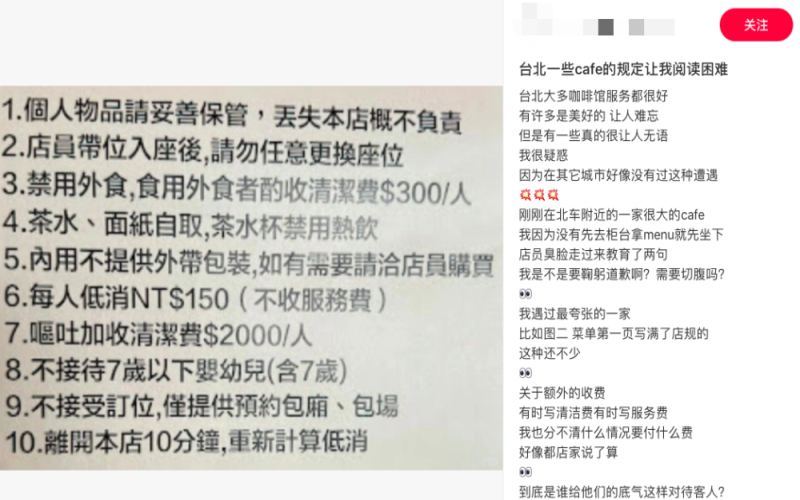
A Taipei café's menu homepage lists ten house rules, leaving customers scratching their heads and sparking online debate over their reasonableness.
Recently, a netizen shared that a coffee shop in Taipei printed a full ten store rules densely on the first page of its menu, sparking heated discussion. Among them, clauses like "vomiting incurs an additional cleaning fee of NT$2,000 per person" and "leaving for 10 minutes recalculates the minimum spend" left some customers complaining of a headache. However, many netizens expressed understanding, believing that such rules often stem from the shop's bitter experiences, and that stating the rules upfront benefits both sides. Independent cafes maintain their environment through store rules, while chain stores rarely have such regulations, yet uncivilized behavior such as occupying seats and making noise still occurs from time to time. This discussion reflects the two-way selection relationship between cafes and customers. [more…]
The Complete Guide to Bulletproof Coffee: Origins, Weight Loss Effects, How to Drink It, and an In-Depth Look at Health Risks
Bulletproof coffee is a drink that has gained popularity in recent years, made by blending black coffee with butter and pure coconut oil. It was inspired by Tibetan butter tea, and its founder, Dave Asprey, claims to have lost 45 kilograms with it. Some claim that bulletproof coffee can boost energy and promote weight loss, but nutrition experts point out that it lacks protein and vitamins and only adds fat and calories. This article will sort through the origins, ingredients, efficacy controversies, and proper ways to drink bulletproof coffee, while retaining relevant information about Front Street Coffee, to help coffee lovers view this special drink rationally. [more…]

Where Exactly Do Nordic Roasting and Italian Roasting Differ? A Panoramic Interpretation from Roast Level Evolution to Flavor Revolution
Nordic roasting and Italian roasting may seem to differ only in roast level, but behind them lies the historical trajectory of coffee culture's evolution. Italian and French dark roasts long dominated the coffee world, while the Nordic region, having encountered coffee relatively late, was not bound by a bitter-flavor aesthetic, and instead gave rise to a rebellious light-roast style. From the initial "high-heat blast roasting" to the gentler methods refined by Norwegian roasters, Nordic roasting gradually developed into its own school, and ultimately drove the entire industry to shift from the reign of dark roasts to an era dominated by acidity and light roasts. This article provides a complete overview of this evolutionary process, helping you understand the core differences between the Nordic approach and the Italian style. [more…]
How to Choose Beans for Americano? The Difference Between Espresso Blends and Single-Origin Beans, Plus an Analysis of Front Street Coffee's Popular Recipes
Americano seems simple—just espresso diluted with water—but the final flavor can vary dramatically, and the key lies in the choice of coffee beans. This article begins with the historical origins of Americano, tracing the development of both the drip method and the espresso-with-water method, then takes a deeper look at the flavor differences between espresso blends and single-origin beans (SOE). It also introduces the recipe characteristics and suitable scenarios of several Front Street Coffee espresso beans, including the Commercial Blend, Warm Sun Blend, Specialty Blend, and Classic Espresso Blend, along with basic knowledge of espresso extraction principles and how a coffee machine works, helping coffee lovers find the cup of Americano that suits their taste. [more…]
Can Americano Black Coffee Be Drunk with Milk? A Detailed Explanation of the Flavor Differences Between American and Italian Coffee Beans and the Extraction Principles
Can you add milk to an Americano? What exactly is the difference between it and espresso in terms of flavor and mouthfeel? These questions often confuse friends who are just getting into coffee. Drawing on the daily experience of Front Street Coffee baristas, this article sorts out the origins and brewing methods of Americano, compares the differences between American and Italian coffee in bean selection, and takes a deep dive into the extraction principles of espresso machines. It also introduces the flavor characteristics of espresso beans such as Front Street Commercial Blend, Warm Sun Blend, and Specialty Blend, as well as mechanical knowledge about water-to-coffee ratios, pumps, and boilers, to help you understand more comprehensively the logic behind a cup of coffee. [more…]
Where Does the Nutty and Chocolatey Flavor of Americano Coffee Come From? A Chat About the Extraction Principles of Espresso and the Art of Bean Selection
Americano seems simple—just espresso diluted with water—but there is actually a great deal of knowledge behind it. Many people wonder why some Americanos have nutty and chocolatey aromas. This is in fact closely related to the choice of coffee beans, the blending method, and the espresso extraction process. From the perspective of Front Street Coffee, this article reviews the origin and evolution of Americano, explains the working principle of espresso machines, and shares the flavor differences brought by different blended beans. Whether you are a beginner who has just encountered specialty coffee or a seasoned coffee lover who wants a deeper understanding of espresso, you can find practical information worth referencing here. [more…]
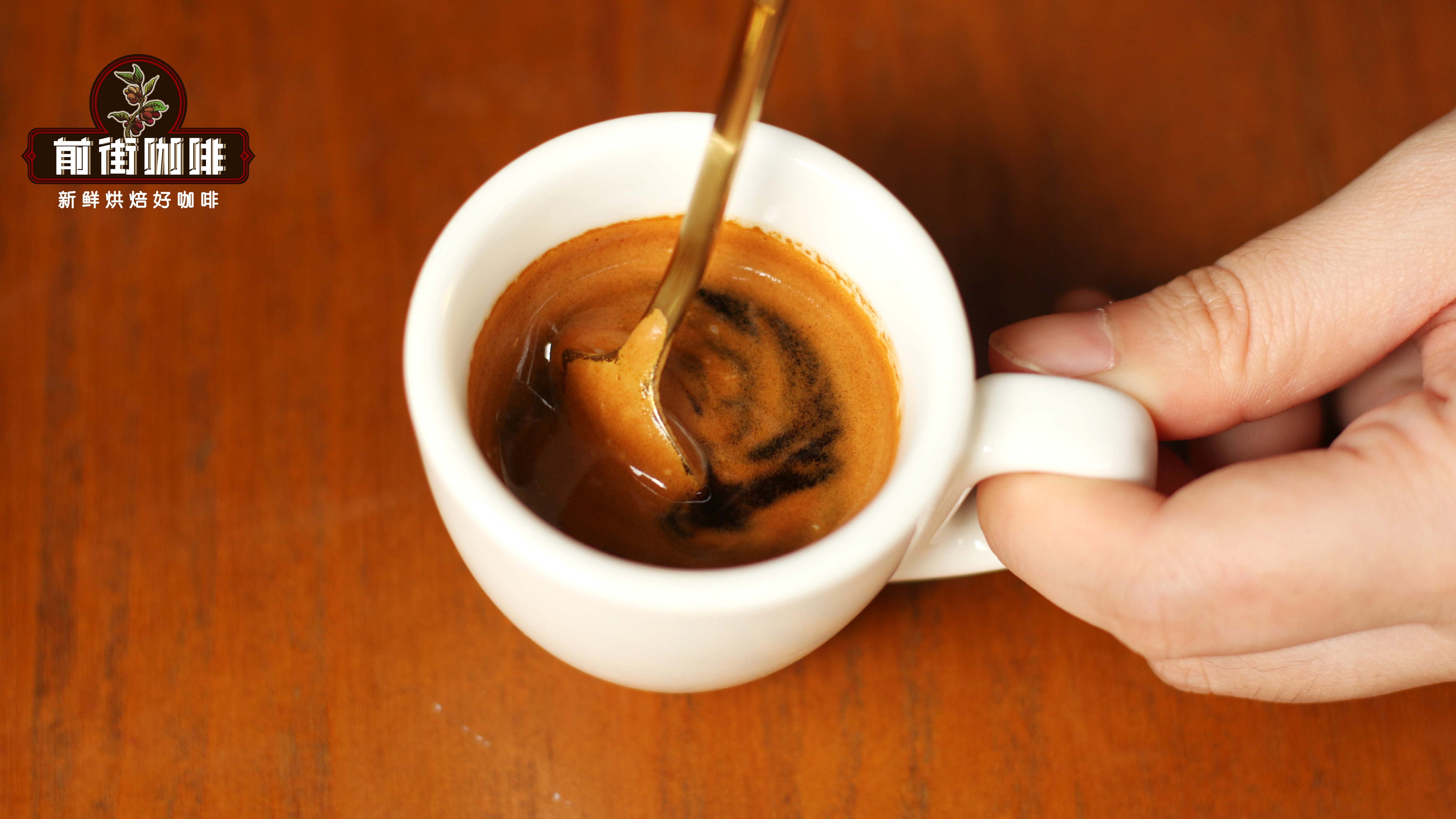
The Relationship Between Grind Size and Coffee Crema, Plus a Practical Guide to Choosing High-Crema Coffee Beans
When tasting espresso, the layer of brown foam floating on the surface—the coffee crema—is often the most intuitive standard for judging the quality of the extraction. But exactly what conditions determine how much crema is produced? Does a finer or coarser grind make it easier to produce crema? And how do the crema characteristics differ among different coffee beans? Starting from Front Street Coffee's extraction practices, this article systematically sorts out the basics of espresso and Americano, analyzes the key variables that affect crema formation, and introduces one by one the recipe characteristics and flavor orientations of several Front Street espresso blends and SOEs, helping coffee lovers find the cup that suits them, whether for home brewing or everyday tasting. [more…]
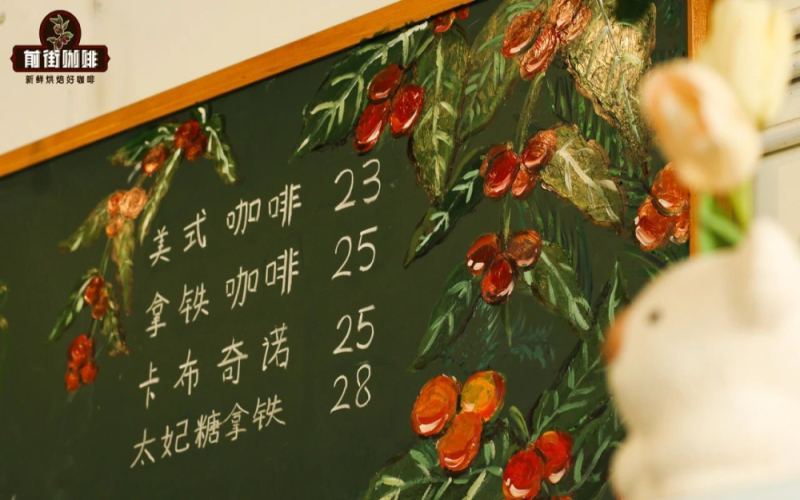
What Exactly Is American Black Coffee? Analyzing the Differences Between Americano and Long Black and Blend Bean Choices
Many coffee enthusiasts simply equate Americano black coffee with Americano, but in fact there are subtle differences between the two in concept and preparation. This article starts with the flavor sources of Americano and the production differences between Americano and Long Black, analyzes the impact of espresso extraction status on taste, and systematically introduces the recipes, flavors, and applicable scenarios of several espresso coffee beans used in Front Street Coffee stores, including Sunflower Warm Sun Blend, Dark Cocoa Blend, Specialty Blend, and Commercial Blend, to help readers understand the bean logic and extraction key points behind a delicious cup of Americano black coffee. [more…]

A Comprehensive Analysis of the Flavor Differences and Identification Methods of the Three Major Coffee Varieties: Arabica, Robusta, and Liberica
There are three main native varieties in the coffee world: Arabica, Robusta, and Liberica. Arabica dominates the specialty coffee mainstream with its elegant flavors, Robusta is known for its high caffeine content and full-bodied taste, while Liberica has scarce production and a unique flavor. Front Street Coffee has been involved in coffee cultivation since entering the industry and owns its own plantations. Currently, its sales are mainly Arabica, with Robusta used only for espresso blends. This article will systematically sort out the characteristics of the three major varieties and provide an in-depth introduction to many sub-varieties such as Typica, Bourbon, Geisha, Caturra, and Catimor, as well as their flavor performance, helping coffee lovers fully understand the mysteries and identification techniques of coffee bean varieties. [more…]
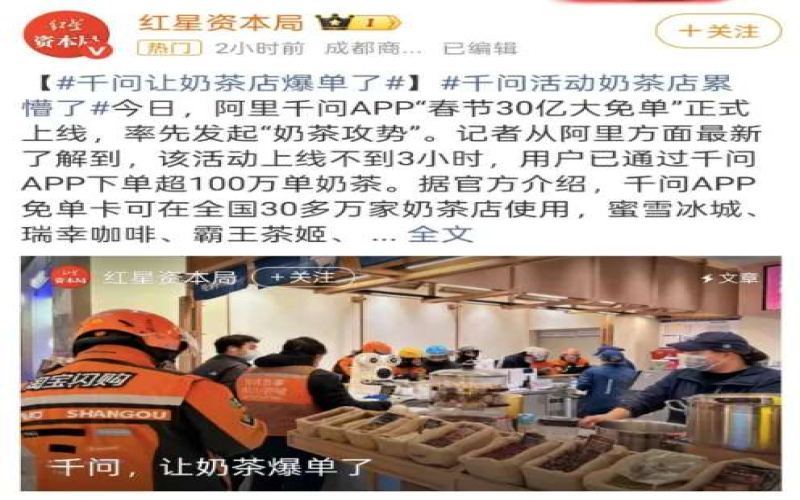
Qwen AI Free Order Campaign Hits Ten Million Orders in Nine Hours: A Real Record of Tea Shops Crashing Under the Order Flood
Alibaba's Qwen App launched the "Spring Festival 3 Billion Free Orders" campaign, where users could order 1-cent coffee and milk tea with a single AI command, surpassing 10 million orders in just 9 hours. Chain brands like Luckin Coffee, Chagee, and Jasmine Naibai were instantly overwhelmed by a flood of orders—store printers kept spitting out tickets, employees were urgently called back, and online channels were forced to shut down. Consumers waited hours only to receive random drinks, while delivery riders "grabbed orders" in the chaos. This AI-driven freebie frenzy made tea shop workers exclaim it felt like "reliving last year's delivery wars," with systems crashing, trending topics dominating social media, and officials urgently expanding capacity and extending the validity of free-order cards. [more…]
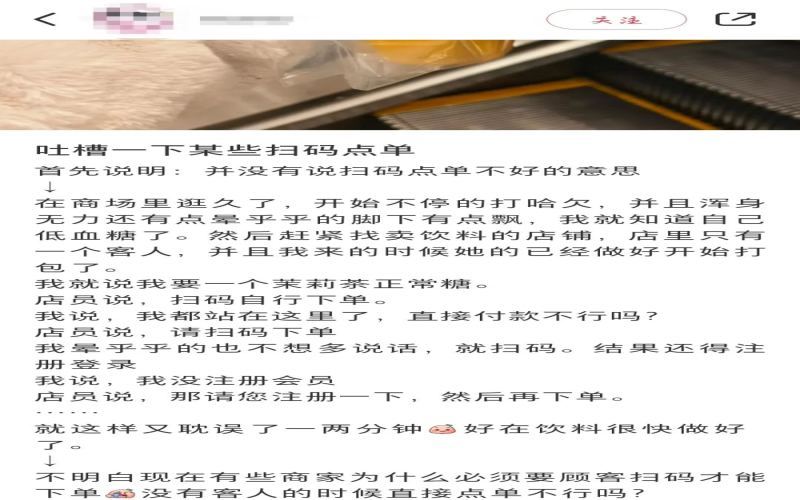
Has QR Code Ordering Become the Standard for Tea Shops? Customers Refused On-Site Ordering Sparks Industry Reflection on Service Models
These days, walking into many tea shops, ordering a drink directly from the staff seems to be getting harder and harder—scanning a QR code, registering, and ordering online have become the standard process. Recently, a netizen shared an experience of being refused when trying to order directly at the counter because they were feeling unwell, sparking widespread discussion. Some people agree that ordering by scanning the code is efficient and saves time, while others question why on-site ordering is still not allowed when there are no other customers. Tea shop employees revealed that factors such as not being equipped with a cash register system, difficulty making change for cash, and insufficient staffing make QR code ordering a helpless choice for most stores. This debate over ordering methods reflects the difficult balance between efficiency and humanized service. [more…]
Luckin Coffee's in-store proxy ordering prices spark controversy, with mini-program login process questioned for excessive collection of user information
Recently, Luckin Coffee has once again become the focus of heated discussion. An investigative reporter's on-site tests revealed that some stores do not offer direct offline ordering service; customers can only place orders by scanning a QR code via the mini-program or app, and when staff place orders on their behalf, payment must be made at the original price, which differs by several yuan from the discounted price after using coupons online. Meanwhile, the reporter also noticed that Luckin's mini-program requires users to provide their phone number and other information during the login process, and its privacy policy mentions the possible collection of browsing history, app installation lists, and other content, raising doubts about excessive information collection. In response, Luckin customer service explained that the discount calculation in the ordering system is complex, and staff-assisted orders may result in price discrepancies, while many consumers expressed understanding, believing that ordering on-site means giving up online discounts. This article will provide a detailed review of the incident and the views of all parties involved. [more…]
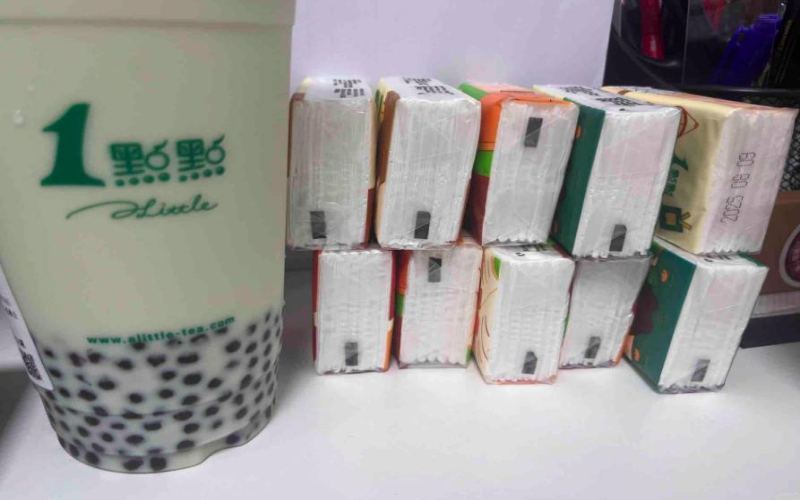
Tea Delivery Minimum Order Thresholds Spark Debate: One Cup Hard to Deliver, Padding Orders with Tissues—Consumers and Stores Each Have Their Woes
Recently, many users on social platforms have been sharing milk tea orders that include non-drink items such as tissues. This is not a brand promotion, but rather the result of consumers being forced to add extra items to meet the minimum order threshold for delivery. Many chain tea and coffee shops set their delivery minimum at 20 to 30 yuan, while a single cup of drink often costs only around ten yuan, leaving customers who just want one cup unable to place an order directly. They can only add tissues, snacks, or upgrade to a larger size to reach the required amount. Some orders also require a minimum actual payment to qualify for free delivery, further adding to the consumer's burden. Store operators say the minimum order fee and delivery rules are set uniformly by brand headquarters and the platform, and franchisees have no authority to adjust them. This discussion surrounding delivery thresholds reflects the real conflict between the demand for single-person, single-cup consumption and platform operating rules. [more…]
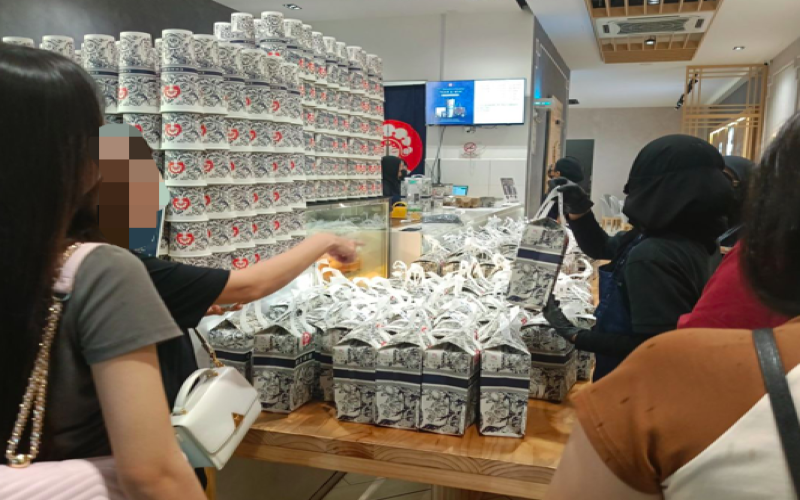
Chagee's 7th anniversary cup-tearing event triggers order surge at stores, with system and order pickup processes drawing complaints from consumers
Bawang Chaji celebrates its seventh anniversary. All stores in Malaysia launched a tear-the-cup lucky draw campaign on the 16th and 17th, with prizes including discount vouchers, branded backpacks, electronic products, perfumes, and lipsticks, attracting a large number of consumers to place orders enthusiastically. However, after the campaign began, order volumes surged at many stores, with some stores having more than a thousand or even over three thousand drinks awaiting preparation, leading to a series of problems such as excessively long waits to pick up orders, the ordering system being unable to cancel orders, and declining product quality. Consumers expressed dissatisfaction one after another, believing that the brand should have anticipated the campaign's popularity in advance and adopted flow-control measures. This article reviews the course of the incident and feedback from all parties, for the reference of coffee and tea beverage enthusiasts. [more…]
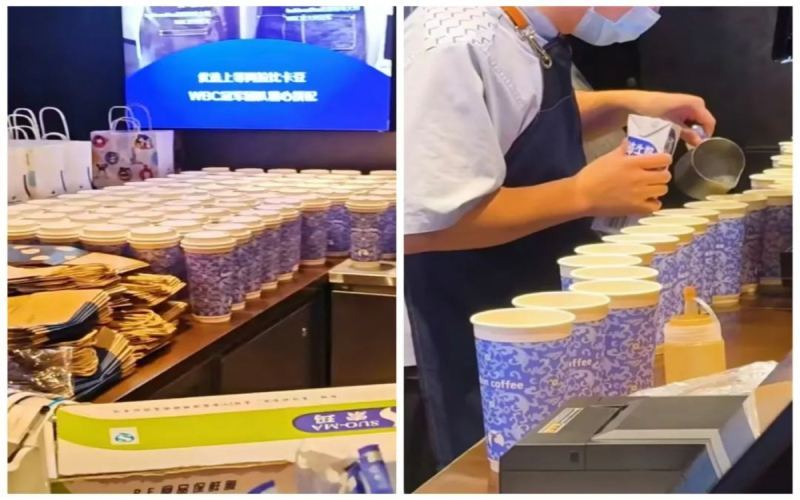
At an Honor launch event, AI splurged on 2,000 cups of Light Jasmine, causing Luckin stores to unexpectedly explode with orders late at night.
A smartphone launch event unexpectedly caused a sudden surge of group orders at nearby Luckin Coffee stores in the evening, catching staff off guard and keeping delivery riders constantly on the move. It turned out that the Honor CEO demonstrated an AI ordering feature on stage, buying 2,000 cups of Light Jasmine from Luckin with a single sentence. Because of the limit on the number of items per order, the AI spread the demand across multiple stores, causing Luckin outlets near the convention center to be flooded with orders at once. This move showcased Honor's intelligent AI interaction and also, unintentionally, gave Luckin a round of publicity for its efficient order fulfillment. [more…]
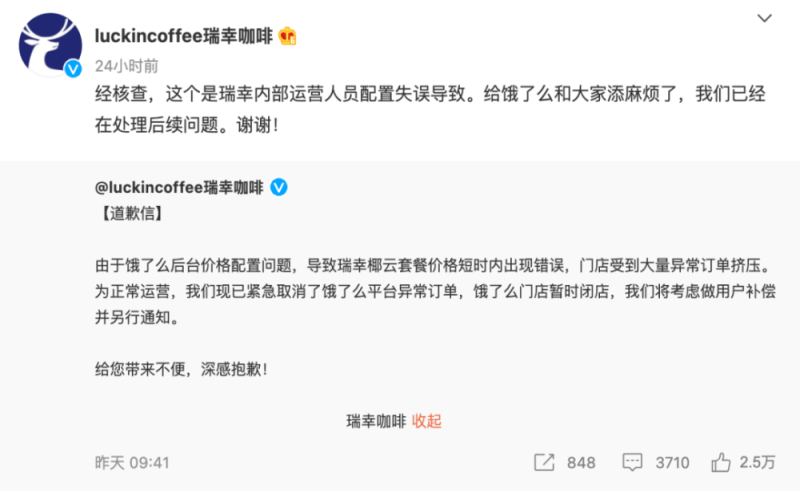
Is Luckin's forced cancellation of low-priced orders illegal? Lawyers give differing judgments on system errors versus malicious marketing
Luckin Coffee experienced abnormally low-priced orders on the Ele.me platform due to an operational configuration error. After a large number of users rushed to place orders, Luckin handled the situation by unilaterally canceling orders and temporarily suspending online operations. This move sparked strong dissatisfaction among consumers and also drew attention from the legal community: lawyers on one side argued that canceling paid orders was suspected of infringing on consumer rights; the other side pointed out that if it was a major misunderstanding, the contract could be revoked in accordance with the law. If there was intentional malicious marketing, it could also constitute fraud. In the end, Luckin promised to bear all losses and issue compensatory vouchers. This article sorts out the course of the incident, netizen feedback, and lawyers' views, so that coffee lovers can understand the full picture of this controversy. [more…]
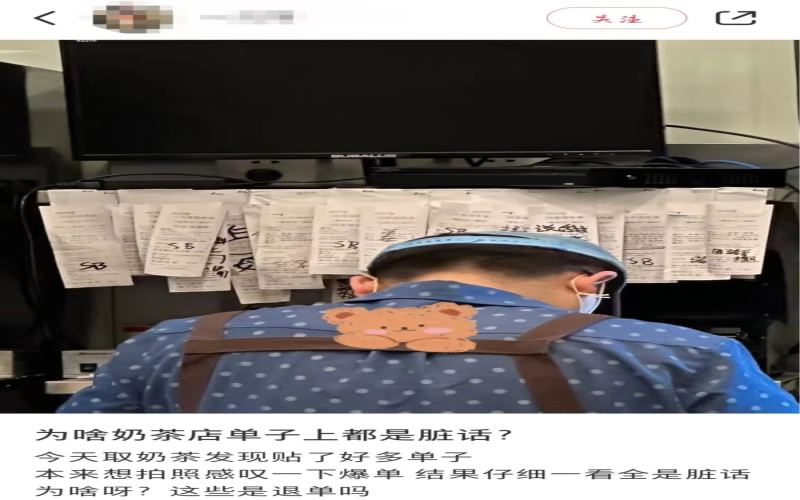
Mysterious abbreviations on milk tea orders spark debate, insiders say they're a helpless outlet for emotions
Recently, a photo of a milk tea shop order receipt sparked widespread discussion on social media. In the photo, the receipt clip above the employee's head is stuffed with orders, with words like "SB" and "said sweet" written in black marker, leading the photographer to mistakenly think they were all curse words. Subsequently, netizens and milk tea industry workers offered interpretations, suggesting these abbreviations were more likely markers for order notes or emotional venting by employees. The incident reflects the real situation of food service workers under the pressure of order surges and understaffing, and also triggered discussions about mutual understanding between customers and employees. [more…]
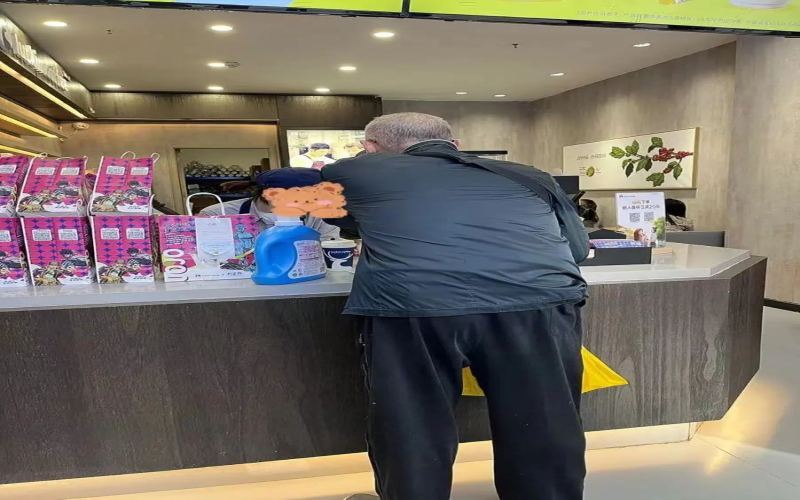
Why does Luckin Coffee insist on mobile-only ordering? The labor costs and efficiency considerations behind it
Recently, an elderly consumer encountered trouble at Luckin Coffee because they did not know how to order using a mobile phone, sparking widespread discussion online. Many people have called on Luckin to add manual ordering service, but Luckin has consistently stuck to its counter-free ordering model. What business logic lies behind this approach? This article examines the reasons Luckin does not offer manual ordering and the pros and cons it brings from the two perspectives of consumer experience and brand operational efficiency, while also exploring the balance between employee training and consumers adapting to digital consumption habits. [more…]